


Astrophotography lets us capture the beauty of the night sky like never before. To achieve stunning images, selecting the best telescope for astrophotography is essential. The right telescope can reveal incredible detail and bring distant celestial wonders into sharp focus.
Astrophotography combines art and science, allowing enthusiasts to photograph celestial wonders. A good telescope can make a big difference in your photos. With the right equipment, stars, planets, and galaxies transform from distant specks into breathtaking worlds waiting to be explored. They transform into vibrant images that tell stories.
Understanding what makes a telescope suitable for astrophotography helps in selecting the best one for your needs. Aperture size, focal length, and mount type are key features to consider. Each component plays a role in capturing clear, detailed pictures. This guide explores the best telescopes for astrophotography, highlighting features that enhance your stargazing experience. Get ready to explore the universe with the perfect tool.

Credit: www.slrlounge.com
Choosing The Right Telescope
Selecting a telescope for astrophotography requires careful consideration of aperture size and mounting stability. A large aperture captures more light, crucial for detailed images. Equatorial mounts keep the telescope steady, ensuring sharp, clear photos of celestial wonders.
With so many options available, choosing the right telescope for astrophotography can feel overwhelming But selecting the right one is essential if you want to capture truly stunning images of the night sky. It’s not just about picking any telescope; it’s about finding one that aligns with your astrophotography goals and fits your budget. Let’s dive into the types of telescopes available and the key features you should consider.
Types of Telescopes to Find the Best Telescope for Astrophotography
Telescopes can be broadly classified into three types: refractors, reflectors, and compound telescopes. Refractors are known for their simplicity and durability. They use lenses to gather light and are excellent for capturing images of planets and the moon. Reflector telescopes, which use mirrors instead of lenses, are ideal for viewing deep-sky objects such as galaxies and nebulae.. They offer larger apertures for less cost. Compound telescopes like the Schmidt-Cassegrain combine the strengths of refractors and reflectors, delivering both versatility and portability.
Key Features to Consider in the Best Telescope for Astrophotography
When choosing a telescope for astrophotography, the most important feature to consider is the aperture size. This refers to the diameter of the telescope’s main lens or mirror, which determines how much light it can gather. The more light it collects, the clearer and more detailed your images will be.
Focal length is another key factor. It influences both magnification and field of view. Telescopes with longer focal lengths are ideal for capturing detailed shots of planets, while shorter focal lengths are better suited for wide-field images of star clusters and nebulae.
Mount stability is just as crucial. Even the best optics won’t matter if your telescope wobbles. A shaky mount can ruin long-exposure photos, so a sturdy equatorial mount is often the preferred choice for astrophotographers.
Don’t overlook portability, either. If you plan to travel to remote dark-sky locations, a compact, lightweight telescope will make your trips much easier.
Have you ever stood beneath a sky full of stars and wished you could capture that moment forever? With the right telescope, you can. Consider what features matter most to you—and let them guide your journey into the world of astrophotography.
Understanding the Best Telescope for Astrophotography
Astrophotography captures the beauty of the night sky through images. It combines art and science, offering a unique view of the universe. This hobby requires patience and skill to capture stunning celestial images. Understanding the basics and knowing the right equipment can make a difference. This guide will help you grasp essential concepts and choose the best telescope for your astrophotography journey.
Basics Of Astrophotography
Astrophotography involves photographing stars, planets, and celestial objects. It requires a camera, telescope, and sometimes a computer. The goal is to capture clear and detailed images of space. Light, exposure, and focus are key elements. A good understanding of these can enhance your photos. Even beginners can capture beautiful images with practice and patience.
Understanding the Best Telescope for Astrophotography
Equipment plays a crucial role in astrophotography. A quality telescope is essential for clear images. Cameras designed for low-light conditions work best. Mounts stabilize the telescope, reducing blur. Consider a computerized mount for easier tracking. Proper equipment ensures better and more detailed photographs. Invest in reliable gear for the best results.
Top Telescopes For Beginners
Venturing into astrophotography can be thrilling yet daunting for beginners. Choosing the right telescope is crucial for capturing stunning celestial images. Beginners often seek telescopes that balance performance and ease of use. Here’s a guide to the best options for those starting their astrophotography journey.
Affordable Options for the Best Telescope
Price matters when selecting your first telescope. The Celestron AstroMaster 70AZ offers great value. It’s budget-friendly yet powerful for capturing clear images. The Orion StarBlast 4.5 Astro Reflector is another excellent choice. It provides bright views of the night sky without breaking the bank. These options ensure you get quality without excessive spending.
Best Telescope for Ease Of Use
For beginners, user-friendly telescopes are essential. The Sky-Watcher Heritage 100P is compact and simple to operate. Its intuitive design makes it perfect for amateurs. The Meade Infinity 102mm Refractor is also easy to handle. It features a simple setup process ideal for novice astrophotographers. These telescopes allow you to focus more on photography than on complicated setups.

Credit: www.naturettl.com
Advanced Telescopes For Professionals
Astrophotography demands precision and clarity. Advanced telescopes offer the best results for professionals. These telescopes capture stunning images of stars and galaxies. Their technology is built for serious enthusiasts.
High-end Models and Best Telescopes
Top models provide exceptional image quality. They are designed for detailed sky observations. Brands like Celestron and Meade have premium options. These telescopes feature large apertures. They allow more light to gather for clearer pictures. Advanced optics reduce distortion. This ensures sharp and vibrant images.
Specialized Features
Professional telescopes offer unique features for astrophotography. Motorized mounts enable precise tracking of celestial objects. This prevents blurring in long exposure shots. Some models include computerized controls. These help with accurate positioning. Advanced cameras are often integrated. They capture high-resolution images directly. Cooling systems in some telescopes maintain optimal performance. This is crucial during extended use.
Accessories For Astrophotography
Astrophotography is a fascinating hobby that blends art and science. Capturing stunning images of the night sky requires more than just a telescope. Accessories enhance the quality of your images. They simplify the process of capturing celestial wonders. Let’s dive into some essential accessories for astrophotography.
Cameras And Lenses
Choosing the right camera is crucial for astrophotography. DSLRs are popular for their versatility and image quality. Mirrorless cameras offer a compact design with excellent performance. Consider the sensor size. A larger sensor captures more light, improving image clarity. Lenses also play a vital role. Wide-angle lenses capture vast sections of the sky. Telephoto lenses focus on specific celestial objects. Each lens type offers unique benefits.
Mounts And Tripods
A stable mount ensures your telescope stays aligned. Equatorial mounts are preferred for astrophotography. They track stars as Earth rotates. This prevents motion blur in your images. Altazimuth mounts are simpler but require manual adjustments. Tripods provide stability for your setup. Choose a tripod with adjustable legs and sturdy construction. This helps in reducing vibrations and ensures clear images. A good tripod is a solid investment for any astrophotographer.
Tips for Capturing Stunning Images with the Best Telescope for Astrophotography
Selecting the right telescope enhances astrophotography results. Opt for models with high aperture and stable mounts. These features allow capturing clear, detailed images of celestial wonders.
Capturing the night sky in all its glory is a thrilling adventure for any astrophotographer. But how do you make sure your images stand out? Whether you’re snapping the Milky Way or a far-off galaxy, having the right techniques up your sleeve can make all the difference. Let’s dive into some practical tips that will help you capture stunning images through your telescope.
Optimal Settings
Understanding your telescope’s optimal settings is crucial. Begin with the basics: use a low ISO setting to reduce noise and a long exposure to capture more light. Adjust the aperture based on the celestial object. A wide aperture is great for dim stars, while a narrower setting suits planets better. Remember to use manual focus for maximum clarity. Autofocus often struggles in low light conditions. Try shooting in RAW format for better editing flexibility later on.
Post-processing Techniques
Your work doesn’t end once you’ve taken the shot; post-processing can elevate your images. Start with cropping to eliminate distractions and focus on your main subject. Experiment with contrast and brightness to make stars pop against the dark sky. Adjusting the color balance can also bring out more detail. Consider using software like Adobe Lightroom or Photoshop for advanced editing. Stack multiple images to enhance clarity and reduce noise. Do you have a favorite post-processing trick? Share it with others and learn from their insights too. In my experience, patience is key. The night sky offers endless possibilities, but mastering the art of astrophotography takes time. Embrace the challenge, enjoy the process, and watch your images improve.
Maintenance And Care for Telescope
Proper maintenance ensures the telescope’s longevity and optimal performance. Regular cleaning keeps lenses clear and free from dust. Handle with care to avoid damage during use and storage.
Taking care of your telescope is crucial for capturing stunning astrophotography images. Proper maintenance not only extends the lifespan of your equipment but also ensures you get the best possible views of the night sky. Regular attention to cleaning and storage can make a world of difference in your astrophotography journey.
Cleaning The Telescope
Keeping your telescope clean is essential for clear, crisp images. Start by gently dusting off the exterior with a soft brush to avoid scratching the surface. For the lenses and mirrors, use a microfiber cloth and a lens cleaning solution specifically designed for optical equipment. Never apply the liquid directly to the lenses; instead, dampen the cloth slightly. Remember, less is more when it comes to cleaning frequency—only clean when necessary to avoid damaging delicate coatings.
Storage Tips for Your Telescope
Storing your telescope properly can protect it from dust, moisture, and accidental damage. Always keep it covered when not in use; a dust cap or a simple cloth can prevent unwanted particles from settling on the lenses. Find a cool, dry place to store your equipment, as humidity can cause mold growth on the optics. If possible, invest in a dedicated case that offers both padding and protection against temperature fluctuations. Consider the impact of temperature changes on your telescope. Have you ever noticed condensation forming on your lenses after a chilly night out? Allow your telescope to acclimate gradually to indoor temperatures to avoid this issue. By prioritizing maintenance and care, you’re not just preserving your telescope; you’re investing in countless breathtaking nights under the stars. What steps will you take to ensure your telescope is always ready for the next cosmic adventure?
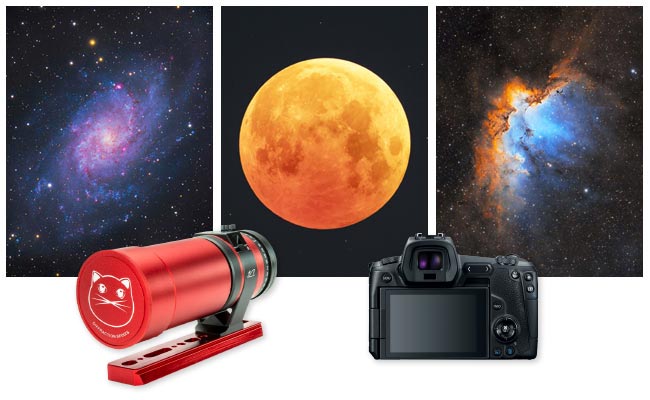
Credit: astrobackyard.com
Comparing Popular Brands to Find the Best Telescope for Astrophotography
Exploring the best telescopes for astrophotography involves comparing popular brands like Celestron, Orion, and Meade. Each offers unique features to capture stunning celestial images. Evaluate specifications like aperture size and focal length to find the ideal telescope for your astrophotography journey.
When diving into the world of astrophotography, choosing the right telescope can make all the difference. With so many brands available, each boasting unique features and strengths, it can be overwhelming to decide which one to trust. Comparing popular brands is crucial to finding a telescope that fits your needs and budget, ensuring those starry nights translate into stunning photographs. Let’s break down the most reputable brands and see what users like you have to say about them.
Brand Reputation about Best Telescope
Brand reputation is often the first thing people consider when buying a telescope for astrophotography. Companies like Celestron and Meade have been around for decades, becoming household names in the process. Their long-standing presence in the market is a testament to their commitment to quality and innovation. Sky-Watcher, another well-respected brand, is known for its affordable yet high-performing telescopes. This brand has gained a loyal following for making advanced technology accessible to amateur astronomers. Orion, on the other hand, is celebrated for its robust customer service and user-friendly designs, ensuring that even beginners can capture the cosmos with ease.
Customer Reviews
Celestron: Durability and Optical Clarity
Many users praise Celestron telescopes for their solid build and sharp, clear images. These qualities make Celestron a favorite among serious astrophotographers who value reliability and precision.
Meade: Advanced Features and Easy Tracking
Meade fans often highlight the brand’s computerized mounts, which simplify tracking celestial objects. While these high-tech features are powerful, some users mention there can be a learning curve when getting started.
Sky-Watcher: Affordable and Beginner-Friendly
Sky-Watcher attracts new users with its affordable price and balanced quality. Many appreciate how it offers solid performance without breaking the bank, making it a great choice for beginners.
Orion: Helpful Customer Support Despite Assembly Challenges
Some Orion users have noted that the assembly instructions can be confusing. However, the brand receives consistent praise for its responsive and helpful customer support, making the overall experience positive.
What Telescope Can See Saturn Rings Clearly?
A telescope with at least 4-inch aperture can see Saturn’s rings clearly. A good choice is a Dobsonian telescope. Consider a telescope with high-quality optics and a stable mount for best viewing experience.
Can Any Telescope Be Used For Astrophotography?
Not all telescopes suit astrophotography. Choose telescopes with high-quality optics and stable mounts. Reflector telescopes are often preferred. Ensure compatibility with camera attachments. Research and select based on your photography goals for optimal results.
Conclusion
Choosing the right telescope boosts your astrophotography experience. Each telescope offers unique features. Consider your needs and budget carefully. Reflectors are great for deep-sky images. Refractors provide sharp planetary views. Don’t overlook portability and ease of use. Your perfect telescope awaits exploration.
Capture the universe’s beauty with the best choice. Enjoy your astrophotography journey. Keep learning and experimenting. Explore the stars with passion. Remember, every clear night is an opportunity. Happy stargazing!


