What temperature is normal for a hard drive is a common question, and for utmost druggies, keeping a computer healthy is n’t about new corridor but proper care and tuning. But what is an often-neglected factor — or at least one we struggle to accommodate for? For hard drives in particular, temperature control is important in order to achieve the best performance and life expectancy. If your drive overheats, it can slow down or crash — and even lose your data.
In this article, we will investigate why temperature monitoring is important for your hard drive’s health, how it impacts performance, and what you can do to help keep your device cool and in top working order. By the time you’re done with this guide, you’ll know everything necessary to protect your data and ensure a long life for your hard drive.
Why Your Hard Drive Temperature Is Important?
Before we get to some specifics, it’s worth looking at why temperature is so important for the operation of your storage device. A hard drive is a piece of machinery, and as such has delicate parts inside. And if the temperature is allowed to go above a certain safe maximum, exposing these parts to temperatures well above this threshold can result in faster degradation and perhaps even full out failure.
Your drive temperature has a significant effect on its performance. That works just fine, but if your drive gets too hot, it can slow down or start to have issues, so regular monitoring and cooling are necessary.
What Is the Optimal Temperature Range for a Hard Drive?
So what is the ideal operating temperature for your drive? No universal standard exists, but most hard drives will perform better within a certain temperature range — 30°C (86°F) to 40°C (104°F). This range guarantees all parts of your drive are kept in extremely stable conditions and never compromise the performance.
That said, there is some variability based on the type of drive. For instance, high-performing drives and SSDs can handle slightly more than HDDs. Still, for the vast majority of users, keeping it within these bounds is a reasonably good rule of thumb.
What if the Temperature is Out of This Range?
At 50°C (122°F), your hard drive is in the red. Potential problems of sustained high temperatures may include:
Decreased Performance: With heat, the components inside the drive (read/write heads, platters) find it difficult to function properly. This can cause the files to be opened or data transferred to access slows.
More Damage: Hard drives have a bunch of moving parts, like the spindle motor and actuator arm, that can be damaged by heat. Long-term exposure to high temperatures will accelerate the wear of these components, shortening the life of the drive.
Data Corruption or Loss: Heat can damage the magnetic fields housing your information on the platters. This may cause, errors, corruption or even complete failure of the media. The loss of key files is a great risk, if the drive runs too hot for too long.
System Crashes: When hardware is failing inside of the drive, it can also cause the device to become unstable which leads to crashes (frequent re-booting), freezes or slow performance across computer operations.
And remember that all drives have their limits, and if you exceed them it will end in tears.
How to Check Your Hard Drive’s Temperature
If you want to know if your drive is getting too hot, the good news is that it’s easy to find out. And, with the right tools, you can check your hard drive’s temperature in real-time. That way, you can take measures before the heat is on — and make sure your apartment is comfortable whenever you’re at home.
For Windows Users:
Get detailed readings of your hard drive’s health and temperature With software like CrystalDiskInfo or HWMonitor, for example. These applications are free to use, and they can tell you how hot your hard drive is running, among other useful statistics such as its health and remaining life expectancy.
Pop in your drive then grab something like CrystalDiskInfo, which provides an easy-to-read temperature for your device. It also has a “health” status indicator to let you know of potential issues that could turn into bigger problems.
For Mac Users:
If you have a Mac, you can try downloading tools like iStat Menus or Smart Utility to monitor the temperature of your hard drive. With either tool you will be able to monitor your internal device’s health including ensuring that your hard drive is not overheating.
After you install one of these tools, you can check your drive’s temperature whenever you wish. Routine checks are crucial to prevent problems before they become too advanced for repair.

How Overheating Affects Your Hard Disk Data?
As soon as your hard drive is starting to run too hot, you will notice a couple of performance issues. Here is what can occur when things get overheated:
Slower Performance
The overheating makes the internal components of the drive work harder. As a result, the drive becomes less efficient and start-up times for opening files or leaving sleep mode increase.
Thermal Throttling
A number of drives—including many hard disk drives and solid state drives—include built-in features to prevent them from being damaged by heat. When a drive begins to get too warm, it can reduce its speed automatically in order to prevent overheating. This thermal throttling paces back the performance of the drive to bring down its temperature, resulting in potentially noticeable lag or pauses.
Physical Damage
The greatest danger of an excessive overheating is damage to the hardware. The motor, actuator arm, and read/write heads of a typical hard drive are sensitive to heat. High temperatures could directly contribute to the degradation or breakdown of these components, and drive failure.
Data Loss
As the disks of the drive become unstable due to heat, eventually data corruption or total loss can ensue. If you keep really important files on your hard drive, this could be a big risk factor.
Symptoms of an Overheating Hard Drive
Some signs are a bit more obvious that your hard drive is overheating than others, but here’s what to look out for:
Slowing down: If you find that your computer seems to be running slower than usual or files take longer to open, this could indicate thermal throttling or diminished drive performance as a result of heat.
Strange noises: Hard drives generate a certain amount of noise during normal operation, but if you start hearing weird clicking or grinding sounds, that could indicate a mechanical failure brought on by overheating.
Crashes and freezes are common: If your computer is crashing or freezing frequently, its hard drive could be overheating enough to cause instability.
Error messages: You might receive error messages about not being able to read or write to the disk, particularly if the drive is getting too hot. These can be early symptoms of overheating.
One of my older drives behaves the same way. So it had been running fine for years – and then one day, I realised that the system was becoming slow and crashing all the time. A quick check told me it was way too warm for my taste, and indeed, a few more tough weeks later the drive died on me entirely. Now i stay a little more focused on my hard drives to not do throw it in the garbage again.
Hard Drive Cooling: A How-To Guide
Having covered the dangers of high temperatures, how can you keep your drive cool – and cool-running?
Improve Airflow
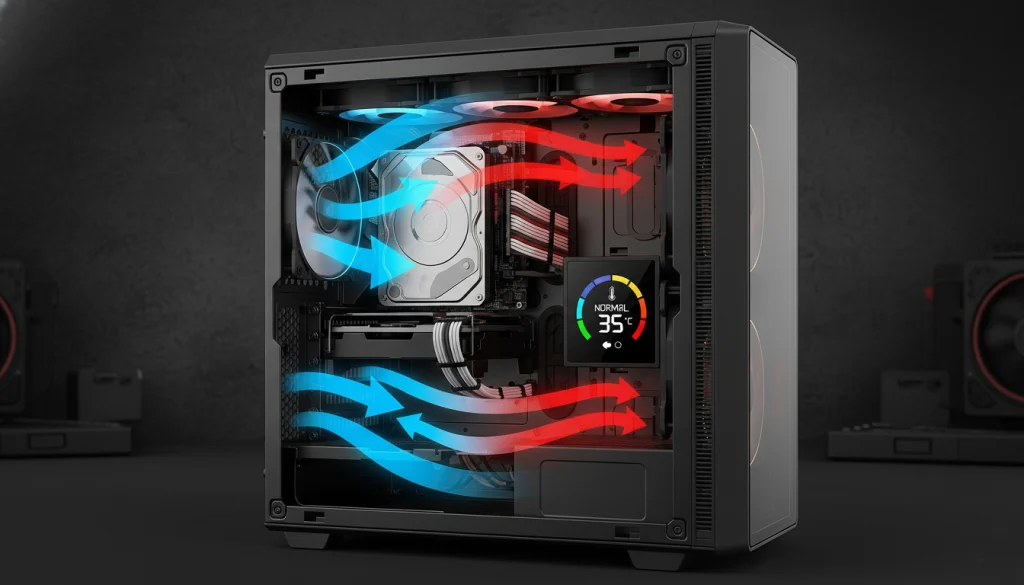
The easiest way to avoid overheating is ensuring your device has good airflow. Don’t suffocate your computer in tight spaces with no room for air to circulate. If you have an external hard drive, ensure it’s not in a confined space. The more open space for air flow around the drive, the better chance it has of not overheating.
Use External Cooling Solutions
If you know that your laptop or external hard drive burns up, invest in a cooling pad or external cooling fan. Cooling pads are particularly useful with notebooks, which often get clogged and provide poor airflow beneath them.
Clean Your Computer Regularly
Inside your computer or at the vents on your hard drive, dust may accumulate and block airflow, leading the drive to overheat. Get into the habit of cleaning your system every few months, focusing especially on cooling fans and vents.
Upgrade Your Cooling System
Or, if you’re on a desktop, maybe it’s time for a better case featuring improved airflow or additional fans. More cooling can lower internal temperatures substantially—especially if you run demanding applications that lead to the drive working harder.
Consider an SSD
If overheating is a recurring problematic issue for you or if you need something more robust, then perhaps switching to an SSD is worth considering. Solid-state drives don’t use moving parts — so they generate less heat and are typically more efficient than conventional hard-disk drives.
Control Room Temperature
Occasionally the temperature of your hard drive may be affected by the ambient room temperature. Even more ideal is keeping a workspace cool, somewhere in the range of 20 – 22 degrees C (68 – 72 degrees F), to aid in your drive’s overall health.
Debunking the Most Common Misconception About Hard Drive Temperature
There are a couple of misconceptions about hard drive temperatures that I think need to be addressed:
Myth 1: Hard drives can’t overheat: It’s a common misconception that other computer parts are prone to overheating, while the hard drive is not. If not managed correctly, heat can be seriously damaging.
Myth 2: SSDs don’t require cooling: Although there are no moving parts on an SSD as there are in traditional drives, it does produce heat. They may have a significantly shorter lifespan when subjected to high temperatures for long periods.
Myth 3: It doesn’t matter what the temperature of my hard drive is, as long as it’s not ridiculously high: Even moderately high temperatures have a detrimental impact on performance. Ongoing surveillance and preemptive defenses are the way to safeguard your data.
Purchase the Hard Drive at Amazon

Frequently Asked Questions (FAQ)
How do I check if my hard drive is too hot?
There are some tell-tale signs that your hard drive is overheating. If your computer is acting generally slow, is beeping or acting erratic, the HD maybe running too hot. You could also experience much higher system temperatures or error messages related to your hard drive performance. By using monitoring tools provided like CrystalDiskInfo or iStat Menus, you can keep an eye on the temperature and catch a issue before it causes problems.
Is it possible to ‘melt’ your harddrive if this happens too often?
Yes, the hard drive can be damaged easily if there is an excessive amount of heat. If subjected to prolonged extreme heat, the internal components such as platters and read/write heads can fry. Your drive therefore may fail earlier and you could lose valuable data. That being the case, it’s very important to maintain your hard drive at an optimal temperature and with adequate cooling.
Can a hard drive be operated at temperatures greater than 40C?
While hard drives can withstand high temperatures for short stretches of use, it’s not good to have them running at over 40 degrees Celsius for extended periods. Regular operating at temperatures over 40°C will result in a shorter life for the drive and data loss. As soon as you observe a temperature that is at or more than 50°C, do something and cool the disk down.
In temperature tolerance, what is the difference between a hard drive and an SSD?
Hard disk drives (HDD) and solid-state drives (SSD) both encounter the effects of temperature, with SSDs generally being more resilient to heat. But that doesn’t mean they’re impervious to the effects of high temperatures. SSDs generate less heat than HDDs because there are no moving parts involved, but they’re not immune to data corruption or performance degradation if the circumstances of their use cause them to overheat. Maintaining both types of drives at a reasonable temperature is one of the key factors that will keep them reliable.
Are there any external hard drive cooling devices I could use?
Yes, you can! External cooling systems, such as powered fans or cooling pads that connect to a USB port are also an effective method of helping maintain your hard drive’s temperature, particularly if you have an external drive or use a laptop. These systems also help prevent overheating to keep everything running smoothly during longer use or heavy work.
How can I totally keep my hard drive from overheating to begin with?
Proper airflow in your computer setup is important to avoid overheating. Make sure your PC or external drive is kept in a dust free, well ventilated area and not near direct heat sources. You can also enlist cooling solutions such as extra fans, enhanced cooling pads or even an SSD (solid-state drive), which is known to generate less heat than a hard drive. Just give your system a good cleaning and keep an eye on those temperatures to stay ahead of any potential problems.
How do I determine when it’s time to replace my hard drive?
If you see that your hard drive is overheating regularly, making some funky sound or you keep getting read/write errors, it may be time to put down your old friend. Also, if your hard drive is under constant heavy use and running hot all the time, it probably has a fair amount of wear on it. A lot of hard drive monitors can deliver you with health stats, meaning you can see when it might be time to get a new one purely from the monitoring data before it gives up the ghost. Creating regular backups is ideal at this time to ensure your data is safe.
Is heat cycling bad for a hard drive?
Temperature changes can indeed stress your hard drive, yes. The rapid transition hot to cold can physically expand and contract in the parts inside, sometimes causing a mechanical breakdown. Just make sure to store your hard drive in a consistent environment that doesn’t get too hot or cold.
Final Thoughts
In the hard disk world, temperature is a major factor in performance and longevity. By ensuring your drive is performing in the 30°C to 40°C range, you’ll enable your SSD to operate at its healthiest and save yourself from expensive data recovery charges. Keeping your eye on the temperature, maintaining your system and basic upgrades, such as adding a fan or using an SSD, can help keep your drive cool and running efficiently.
Some particular attention to your hard drive now will save you headaches afterward. Whether you’re packing up quality files or trying to share high-quality photos on social media, maintaining the condition of your drive is essential to ensuring that your storage performs well at all times and helps protect against data loss.